Sustainable healthcare case study: Reusable surgical gowns and drapes at Peter MacCallum Cancer Centre
Friday 15 August 2025
Peter MacCallum Cancer Centre is an adult cancer research, education and treatment facility providing highly specialised cancer treatments with 270 beds and over 4000 staff in North Melbourne, Victoria.
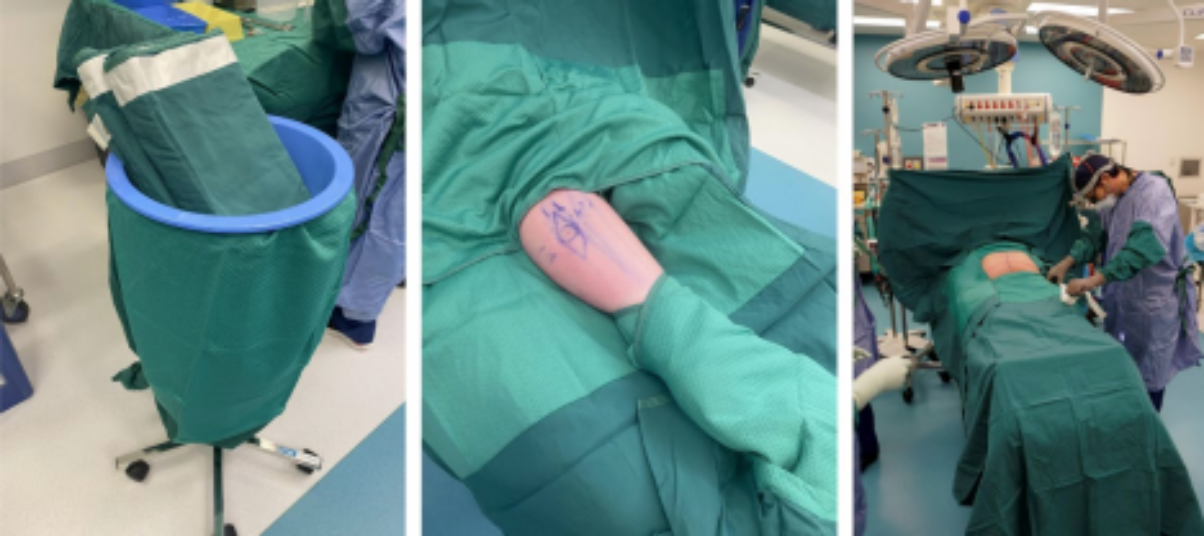
Peter Mac has conducted a pilot study into using reusable gowns and drapes for surgical procedures at their hospital to reduce the environmental impact of surgery. To date, the results have shown only possible outcomes like increased comfortability, and no concerns raised about infection risks.
Problem:
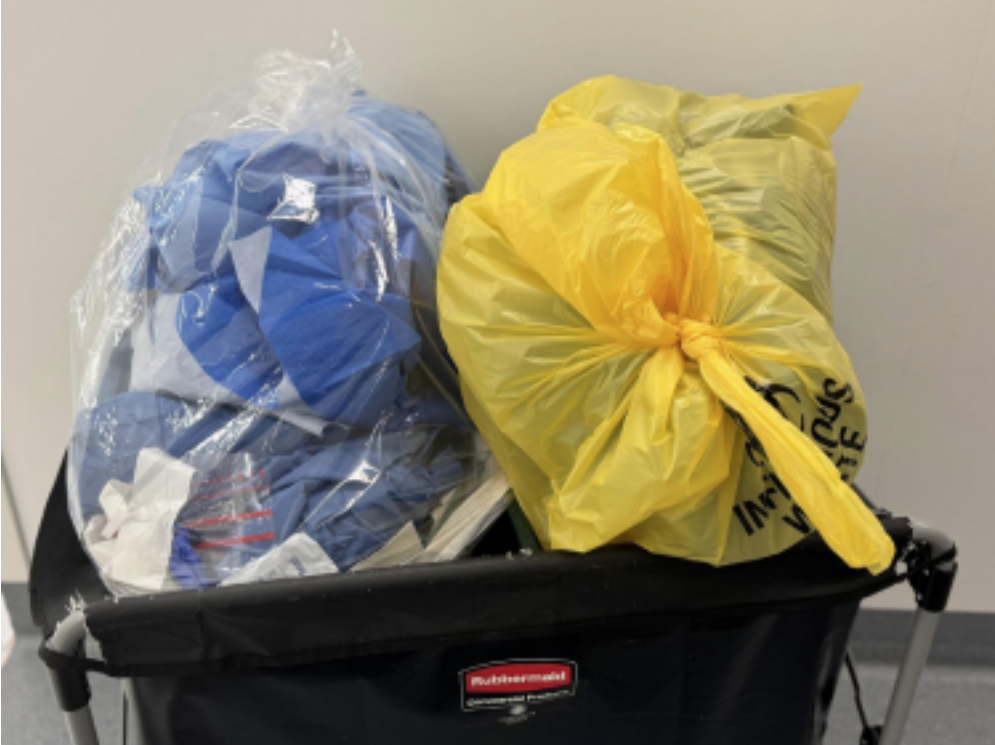
The operating theatre is one of the most energy intensive areas of a hospital and is responsible for producing over half a hospital’s waste. Single-use items like surgical gowns and drapes are attributed to approximately two-thirds of the carbon footprint of a surgical operation. At Peter Mac, it is estimated that 11 tonnes of surgical gowns and drapes are used by operating theatres every year.
Previous research has shown that reusable surgical textiles can reduce natural resource energy consumption by 64%, greenhouse gas emissions by 66%, solid waste generation by 84%, and blue water consumption by 83%. Furthermore, costs to procure these disposable textiles are around the same as the reusable alternatives which means that the sustainable option is cost-neutral. Broad adoption of the reusable surgical gowns and drapes would result in a reduction of solid waste by approximately 9.2 tonnes per year, which would be followed by reductions in water consumption and greenhouse gas emissions.
Goals:
- Reduce energy costs
- Reduce carbon footprint of operating theatres
- Reduce costs of surgical waste disposal
- Reduce resource use
Implementation process:
Stakeholder Engagement
Theatre nursing staff, surgeons, procurement staff, site managers, hospital executives were involved in the initial stakeholder engagement to determine support for the intervention. The linen service providers were included to discuss logistics of supply, removal, re-processing, sterility considerations.
Education
A pilot education campaign to all staff users about the process and which theatre lists would be utilised. Staff were encouraged to provide live feedback to highlight any issues as soon as they arose.
Surgical lists were selected to trial the reusable surgical textiles – gowns and drapes. The initial phase trialled the textiles in simple, small procedures as an initial pilot to assess for any major issues encountered. Then, larger, more complex procedures were chosen for the second phase.
Feedback
Following use, staff involved were invited to partake in a survey to assess their satisfaction with the products – including ease of use, practical and logistical issues, patient protection and support for ongoing use. This allowed for feedback to the manufacturer to further improve the quality and usability of the reusable ítems. Finally, survey feedback was analysed and published to ensure robust feasibility assessment.
The Outcome:
Cost Reduction
The current cost of surgical waste disposal is roughly $2 per kg, which equates to $22,000 for 11 tonnes of waste. Using reusable textiles would not only lower the environmental footprint of the operating theatre, but save on costs from waste disposal as the procurement of these alternatives are cost-neutral to the single-use items that the hospital uses.
Engagement
The post implementation survey of the pilot study on staff engagement was beneficial to the hospital, data showed that 90% of staff believed in the importance for healthcare services to use textiles that have the lowest environmental footprint. Furthermore, 93% of respondents supported the ongoing use of reusable surgical textiles in their surgery department.
Staff Satisfaction
In their post-implementation surveys, most respondents insisted that the reusable gowns were more comfortable than the disposable gowns which has improved staff comfort, especially during long operations. Similarly, there have been no concerns raised over the safety of infection risks, which suggests that the introduction of these textiles provides only benefits to the community in terms of reducing the environmental impact of surgery.
Next steps:
The procurement team is in contract negotiation to secure the reusable textiles for ongoing use. The concept of reusable textiles has been expanded across Peter Mac and its different hospital departments. They have taken steps to procure reusable surgical gowns and drapes for their chemotherapy unit, radiology, and endoscopy. The leadership shown by Peter Mac has inspired other hospitals in Melbourne to replicate their model of introducing these reusable textiles for their own sites.