Sustainable healthcare case study: Green Champions at Mercy Health
Friday 08 August 2025
Mercy Health is a health organisation with over 10,000 staff and around 600 inpatient beds in Victoria and New South Wales, Australia.
The Problem:
Mercy Health faced the challenge of reducing their carbon footprint and becoming a more environmentally sustainable service. There was a large amount of waste from the hospital wards, including items that were currently going into landfill but could be recycled. Thus, Mercy Health has designated Green Champion volunteers across the health service to create long term changes and reduce the amount of landfill waste. The Green Champions work towards a cultural shift where sustainability is not an afterthought, but a core aspect of care and work.
Goals:
- Reduce waste output
- Reduce carbon emissions
- Establish staff as Green Champions to lead the sustainability portfolio and Green Teams in their department
The Process:
Recruitment: Program information was shared with staff via posters and the internal newsletter, which led to staff, such as admin staff, nurses and midwives, submitting an expression of interest to volunteering to be Green Champions. Then the sustainability team contacted the staff's managers to ensure their capacity to take on additional work. The program was available to all departments and had uptake from a wide range of hospital departments.
Training/Education: An educational package was provided which included information on the impacts of climate change in healthcare, how to start a project, and strategies to engage colleagues.
Sustainability Projects: The Green Champions were encouraged to develop their own sustainability projects to implement throughout the hospitals. One-on- one support and further training from the sustainability team are provided as needed.
Tracking Process: Success is measured by the Green Champions engagement and the impact of the projects they have developed. Targets were not set at the start of the program to provide the volunteers with flexibility and autonomy. These projects are then amalgamated into site-wide waste streams, and progress was tracked on a hospital wide basis. Projects were considered successful where they were implemented and resulted in sustainable changes, such as long term recycling plans.
Outcomes:
The sustainability team developed and led the Green Champions initiative, with endorsement from the Health Services Sustainability Committee. There are currently 70 green champions, across 30 departments that implement ongoing sustainability initiatives, including waste and recycling diversion.
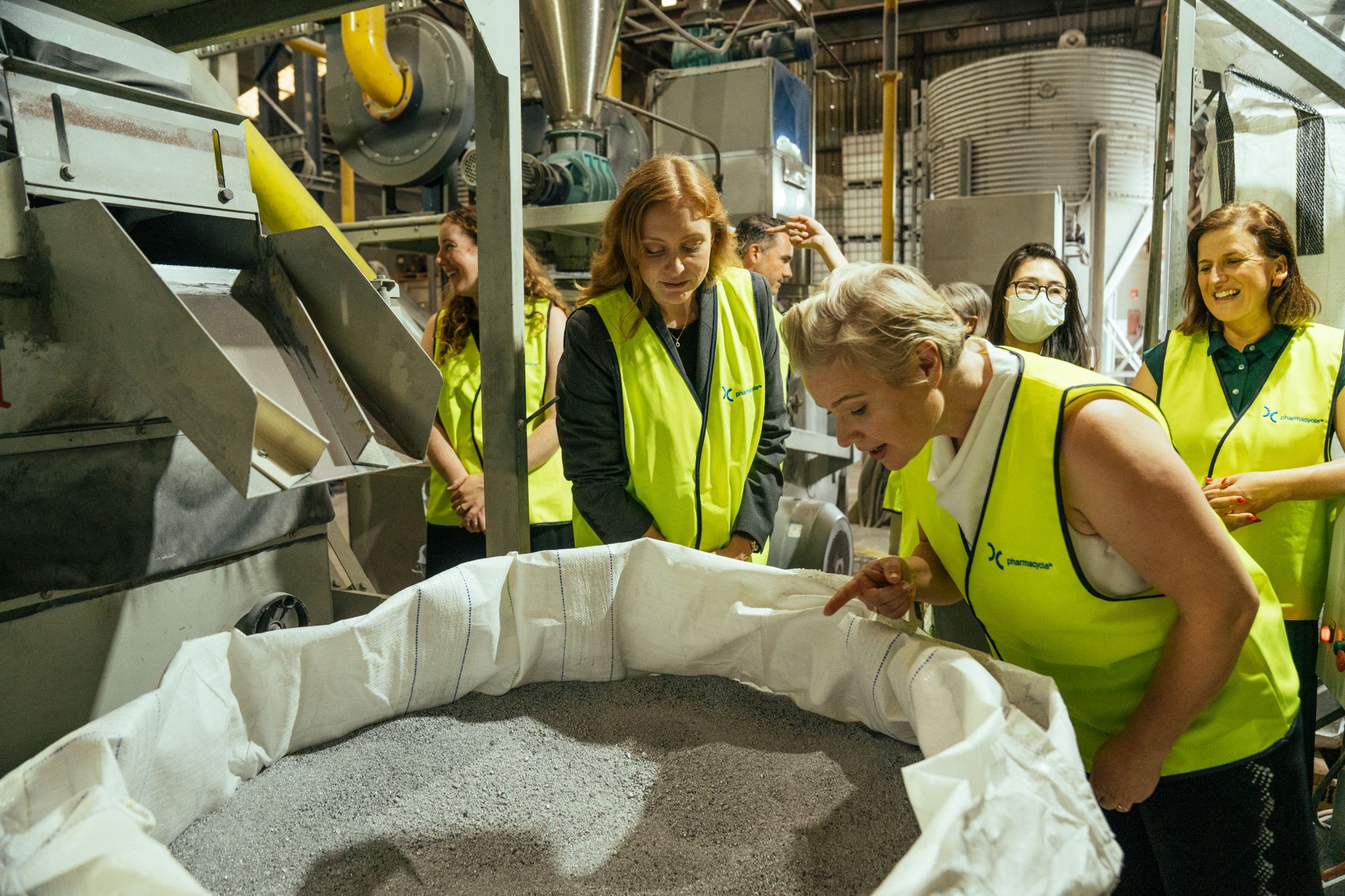
The biggest waste saving project has been recycling blister packs instead of putting them in landfill waste by collecting them at local collection points and arranging for them to go to recycling centres, which diverted around 108,000 blister packs from landfill over a two year period.
Another project in the Maternity Unit, arranged for all single use metal implements to be collected and recycled instead of going to landfill, which has already saved over 1 tonne of metal from the landfill.
Additionally, there are ongoing PVC and battery recycling projects happening across the hospitals.
Next steps:
Due to the success of the Green Champions in Mercy Health hospitals, where 70 people have volunteered to be Green Champions in two hospitals and four community health services, Mercy health will be expanding the Green Champions into the aged care sector with the aim to improve waste management and sustainability.
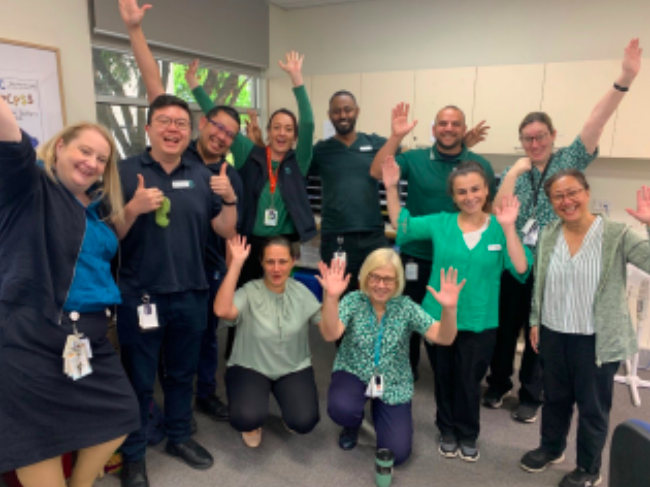
Green Champions - Team photo
This full case study is available to GGHH members via GGHH Connect
Congratulations Mercy Health! Thank you for your sustainable healthcare leadership!
(August 2025)